Get Site Leveling
Site leveling services help property owners fix uneven terrain and prepare land for construction, landscaping, or drainage projects by connecting them with experienced local contractors.
Site leveling services are an important consideration for property owners planning construction, landscaping, or renovation projects. Properly leveled land ensures stability, prevents future settling issues, and provides a solid foundation for various types of work. Whether preparing a yard for a new structure or addressing uneven terrain that could impact safety and usability, understanding available options from local contractors can help in making informed decisions.
Exploring local service providers allows property owners to compare approaches and find solutions tailored to their specific needs. Many local pros offer expertise in assessing terrain, recommending appropriate leveling methods, and executing the work efficiently. Continuing to explore these options can help ensure the project is completed smoothly, with results that support the property's long-term stability and functionality.
- Residential Property Leveling - homeowners may need this service to correct uneven floors or settling foundations.
- Commercial Site Leveling - businesses often require site leveling to prepare land for construction or landscaping projects.
- Driveway and Pavement Leveling - property owners might seek this work to fix cracked or uneven driveways for safety and appearance.
- Landscape Grading and Leveling - landscapers and property managers use this service to create proper drainage and a stable foundation for planting.
- Foundation and Structural Leveling - contractors are called upon when buildings show signs of shifting or uneven settling.
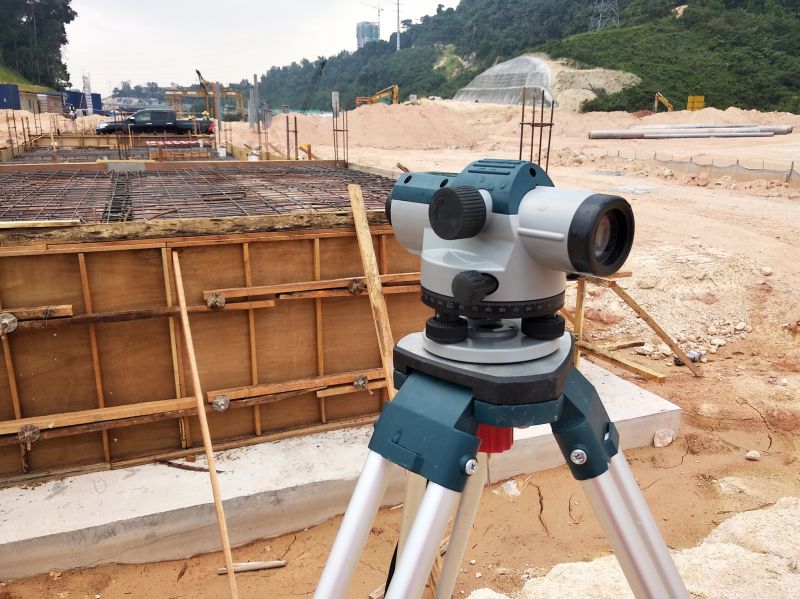
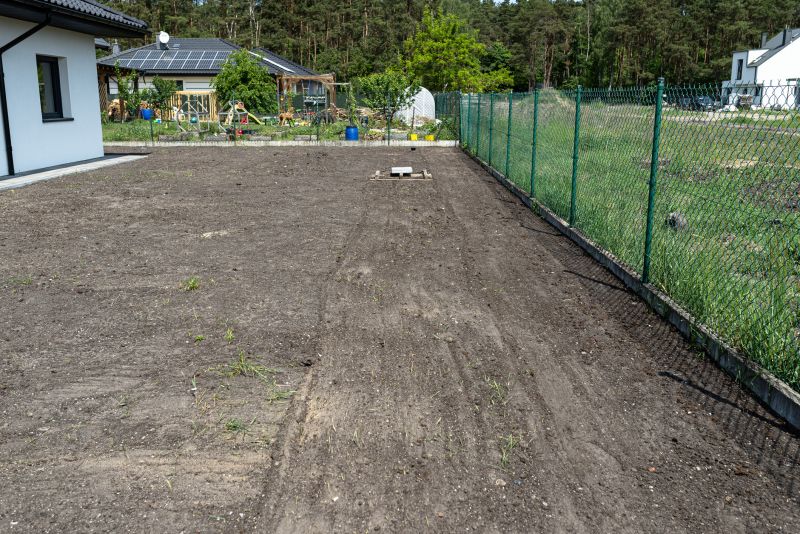
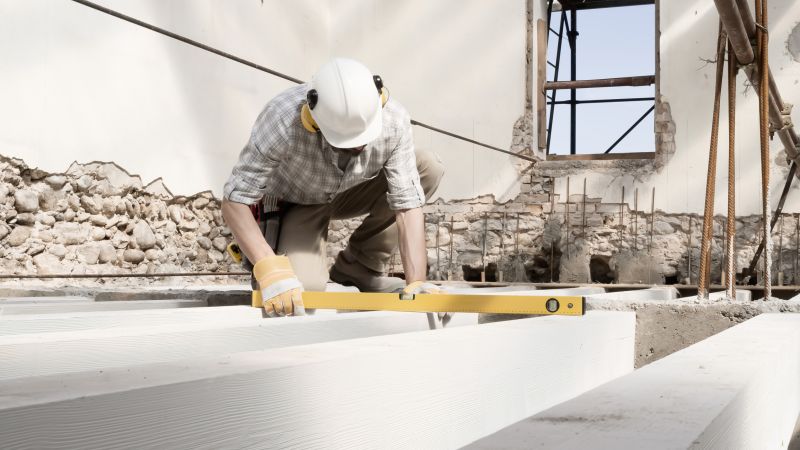
Site leveling services involve adjusting the foundation or ground beneath a property to ensure it is even and stable. This process typically includes inspecting the property to identify uneven areas, then using specialized techniques to correct slopes, dips, or shifts in the terrain. Proper leveling helps maintain the structural integrity of a building, preventing issues that can arise from settling or shifting over time. Skilled service providers use a variety of methods, such as mudjacking or slab jacking, to restore a level surface that supports the property’s foundation effectively.
Many problems can signal the need for site leveling, including cracked walls, uneven flooring, doors or windows that stick, or visible sinking of the foundation. These issues often result from soil movement, poor initial grading, or natural settling. Without intervention, these problems can worsen, leading to more costly repairs or even safety hazards. Local contractors can evaluate the specific conditions of a property and recommend appropriate leveling solutions to address current issues and prevent future ones.
Properties that frequently require site leveling include residential homes, especially those built on expansive or shifting soils, as well as commercial buildings and other structures where stability is critical. Homes with noticeable sloping or foundation cracks are common candidates. Additionally, properties situated on uneven land, such as those with hills or inconsistent terrain, often benefit from professional leveling to create a safer, more stable environment. Whether a property has minor unevenness or significant foundation concerns, experienced service providers can tailor solutions to meet the specific needs of each site.
Understanding when to seek site leveling services can help homeowners protect their investment and avoid escalating problems. If a property shows signs of foundation movement, uneven floors, or structural cracking, it may be time to consult with local contractors. These professionals can assess the site, identify underlying causes of unevenness, and recommend effective solutions. By addressing issues early, property owners can maintain the safety, value, and longevity of their buildings with the help of experienced service providers.
The overview below groups typical Site Leveling projects into broad ranges so you can see how smaller, mid-sized, and larger jobs often compare in your area.
In many markets, a large share of routine jobs stays in the lower and middle ranges, while only a smaller percentage of projects moves into the highest bands when the work is more complex or site conditions are harder than average.
Smaller Repairs - typical costs range from $250 to $600 for common leveling jobs such as minor unevenness or settling issues. Many routine repairs fall within this middle range, making it a common price point for local contractors.
Moderate Projects - more involved leveling work, including larger sections or moderate soil adjustments, can cost between $600 and $1,500. These projects are less frequent but still represent a significant portion of typical jobs.
Large-Scale Work - extensive leveling for sizable structures or significant site adjustments often range from $1,500 to $3,500. Fewer projects reach this tier, usually involving more complex or time-consuming work.
Full Replacement or Complex Jobs - the most comprehensive site leveling projects, such as complete slab replacements or highly complex terrain modifications, can cost $3,500 or more. These are less common but necessary for large or heavily damaged sites.
Actual totals will depend on details like access to the work area, the scope of the project, and the materials selected, so use these as general starting points rather than exact figures.
Foundation Repair - foundation repair projects often require site leveling to ensure stability and proper support for structures.
Driveway Resurfacing - leveling is essential for creating smooth, even surfaces in driveway replacement or repair projects.
Land Clearing and Grading - grading involves shaping the land to prepare for construction, which shares planning and leveling skills with site leveling services.
Retaining Wall Installation - proper site leveling helps ensure retaining walls are built on stable, even ground for long-term performance.
Landscape Construction - creating level planting beds and terraces requires precise land grading and leveling techniques.
Concrete Flatwork - pouring slabs and walkways demands a level foundation, making site leveling a key step in the process.
When evaluating potential service providers for site leveling, it’s important to consider their experience with projects similar to yours. Homeowners should look for local contractors who have a proven track record of successfully completing projects of comparable size and scope. This familiarity can indicate a deeper understanding of the specific challenges that may arise and suggest a higher level of competence in handling the unique aspects of your property. Asking for examples or references related to similar work can help gauge their expertise and reliability in delivering quality results.
Clear, written expectations are essential to ensure that both parties are aligned on the scope of work, materials, and outcomes. Homeowners should seek out service providers who are willing to provide detailed proposals or estimates that outline the steps involved, the materials to be used, and any assumptions or limitations. Having this documentation fosters transparency and helps prevent misunderstandings or surprises during the project. It also makes it easier to compare different providers based on the completeness and clarity of their proposals.
Good communication and reputable references are key factors when choosing local contractors for site leveling. Homeowners should prioritize service providers who are responsive, transparent, and willing to answer questions throughout the process. Additionally, requesting references from past clients who had similar projects can provide valuable insights into the contractor’s professionalism, work quality, and ability to meet deadlines. Remember, the site is designed to introduce property owners to local options, not to perform the work itself, so taking the time to thoroughly assess each provider’s experience, clarity, and reputation can lead to a more successful project outcome.
Property owners use Site Leveling services for practical projects around their homes and businesses. This guide focuses on everyday jobs and straightforward project options.
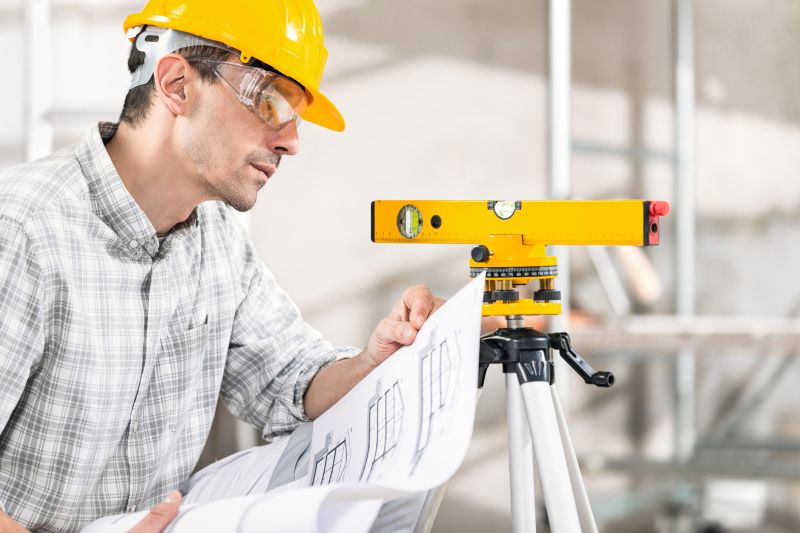
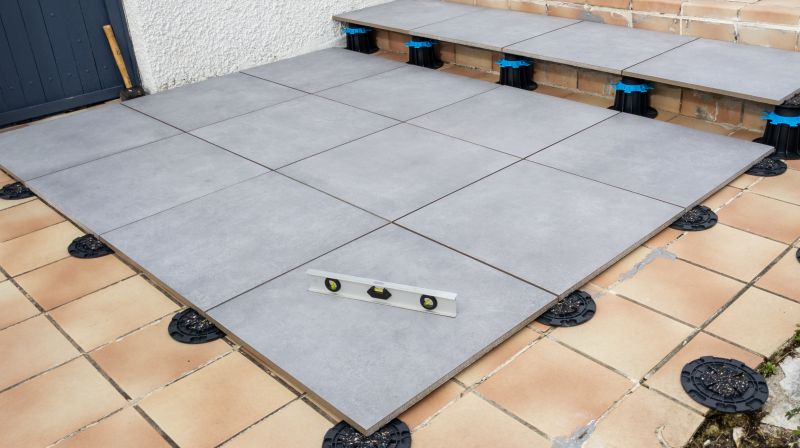
Site leveling services are often needed when property owners notice uneven or sloping surfaces around their homes or commercial properties. This can happen after heavy weather, soil settling, or minor construction work, leading to issues like water pooling, uneven lawns, or foundation concerns. Local contractors experienced in site leveling can assess the area and provide solutions to create a stable, even surface that helps prevent future problems and improves the overall appearance of the property.
Many property owners seek site leveling to address practical concerns such as drainage problems or to prepare a yard for landscaping or construction projects. Whether installing new features or simply wanting a safer, more level outdoor space, local service providers can handle these tasks efficiently. Connecting with experienced contractors in the area ensures that the work is done properly, helping to maintain the property's value and usability.
What is site leveling? Site leveling involves adjusting the ground surface to create a stable, even foundation for construction or landscaping projects.
Why is site leveling important? Proper site leveling helps prevent future issues such as uneven settling, water pooling, and structural instability.
How do local contractors perform site leveling? They assess the terrain, remove or add soil as needed, and use specialized equipment to achieve a flat, stable surface.
Can site leveling be done on any type of land? Most types of land can be leveled, but the complexity depends on soil composition, slopes, and existing structures.
How do I find local pros for site leveling? A lead generation service can connect you with experienced service providers in your area who specialize in site leveling projects.
Foundation Stabilization - Property owners can improve the stability of uneven or shifting foundations to prevent further damage and maintain structural integrity.
Driveway and Patio Leveling - Ensuring that driveways and outdoor patios are level can enhance safety and usability around the home.
Land Grading - Proper grading helps with drainage and prevents water accumulation that could lead to erosion or basement flooding.
Landscape Leveling - Creating level areas in yards or gardens can make outdoor spaces more functional and easier to maintain.
If you are thinking about Site Leveling for a property, this guide is meant to help you understand the work, the typical project types, and how different options might fit your plans.
When you are ready, you can use the quote form on this page to share a few details about your project. From there, local pros can review the basics and respond with options that match what you have in mind.