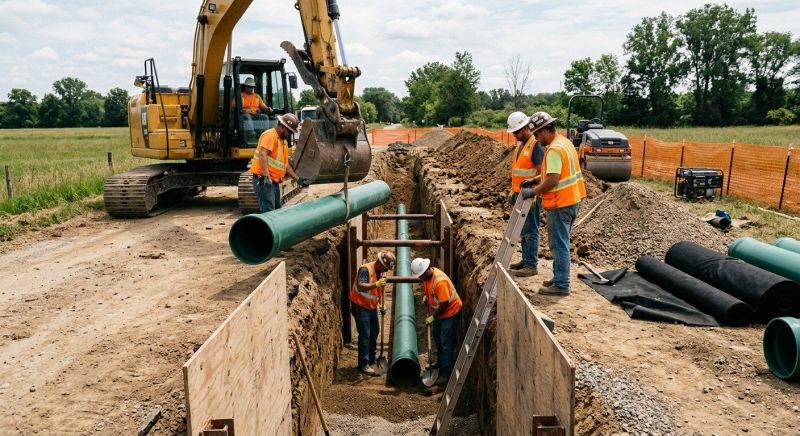
Gas Line Excavation in Salt Lake City, UT
Gas line excavation services involve the careful digging and installation of underground pipelines that supply natural gas to residential properties. This process is essential for projects such as installing new gas appliances, upgrading existing lines, or performing repairs and maintenance on underground gas systems. Property owners typically want to understand the scope of excavation work involved, the safety precautions taken, and the importance of proper planning to ensure the gas lines are installed or repaired correctly and safely.
Before requesting gas line excavation, homeowners should consider factors such as the location of existing underground utilities, local regulations and permits required for excavation work, and the potential impact on landscaping or property features. Clear communication about the project's size, depth, and purpose can help ensure the work proceeds smoothly and safely, minimizing disruptions and ensuring compliance with safety standards.
Many property owners in Salt Lake City, UT look into Gas Line Excavation for repairs, replacements, upgrades, and appearance-related improvements.
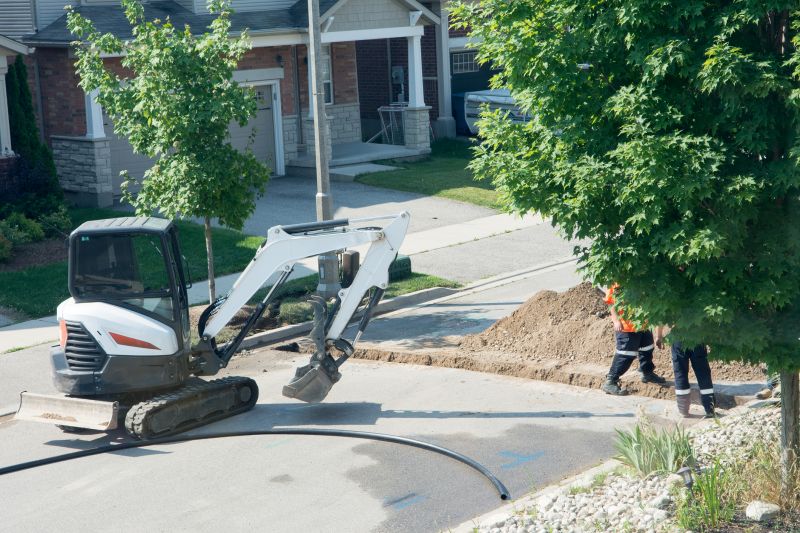
Gas Line Installation And Repair
Proper excavation ensures safe and reliable gas line connections for homes and businesses.
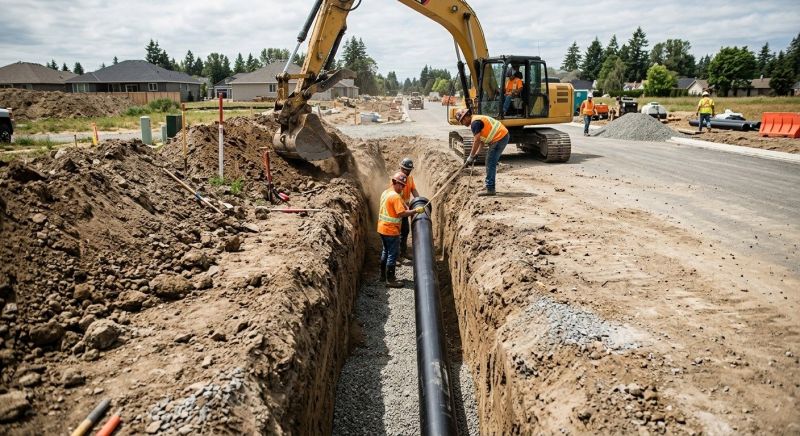
Underground Gas Line Detection
Accurate excavation helps locate existing gas lines to prevent damage during construction or landscaping.
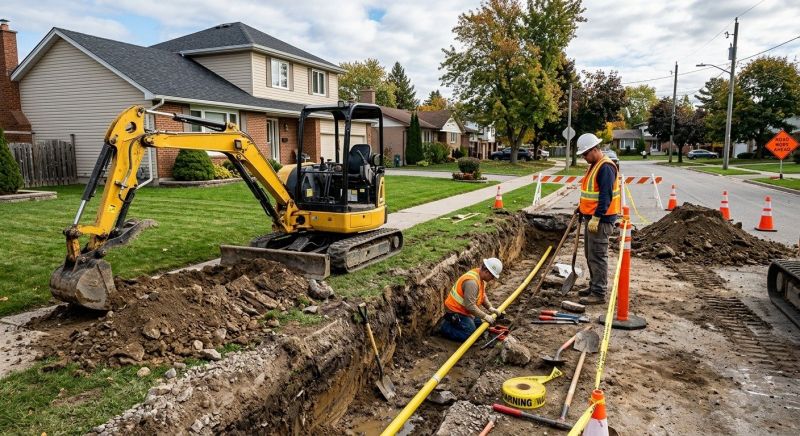
Utility Line Coordination
Excavation services support the safe installation and maintenance of gas lines alongside other underground utilities in salt lake city, ut.
Gas Line Excavation in Salt Lake City, UT
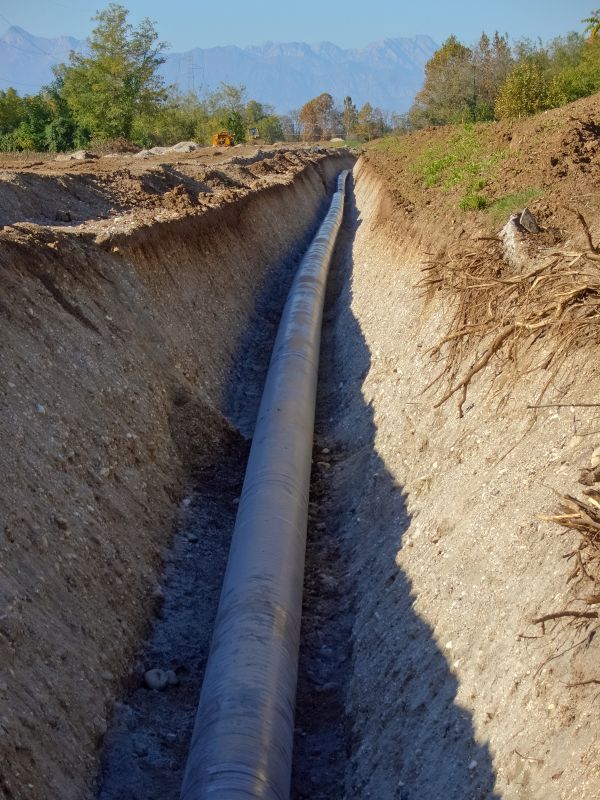
Gas line excavation services involve the careful digging and installation of underground pipelines that supply natural gas to residential properties. This process is essential for projects such as installing new gas appliances, upgrading existing lines, or performing repairs and maintenance on underground gas systems. Property owners typically want to understand the scope of excavation work involved, the safety precautions taken, and the importance of proper planning to ensure the gas lines are installed or repaired correctly and safely.
Before requesting gas line excavation, homeowners should consider factors such as the location of existing underground utilities, local regulations and permits required for excavation work, and the potential impact on landscaping or property features. Clear communication about the project's size, depth, and purpose can help ensure the work proceeds smoothly and safely, minimizing disruptions and ensuring compliance with safety standards.
Many property owners in Salt Lake City, UT look into Gas Line Excavation for repairs, replacements, upgrades, and appearance-related improvements.
Common Gas Line Excavation Jobs
Gas line installation - safe and precise excavation for new gas line connections.
Gas line repair - addressing leaks or damage to existing gas lines with minimal disruption.
Gas line replacement - removing outdated or unsafe gas lines to meet current standards.
Emergency gas line services - urgent excavation for gas leaks or line failures requiring immediate attention.
Underground gas line locating - identifying existing lines before excavation to prevent damage.
Gas line rerouting - adjusting gas line paths to accommodate property renovations or landscaping.
Gas Line Excavation Questions
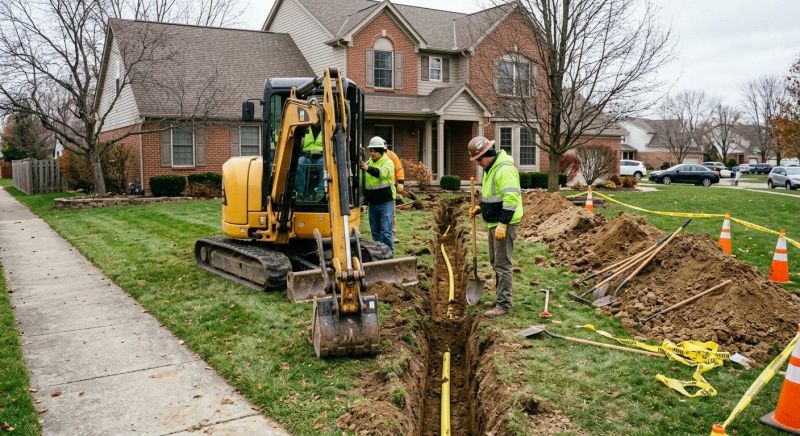
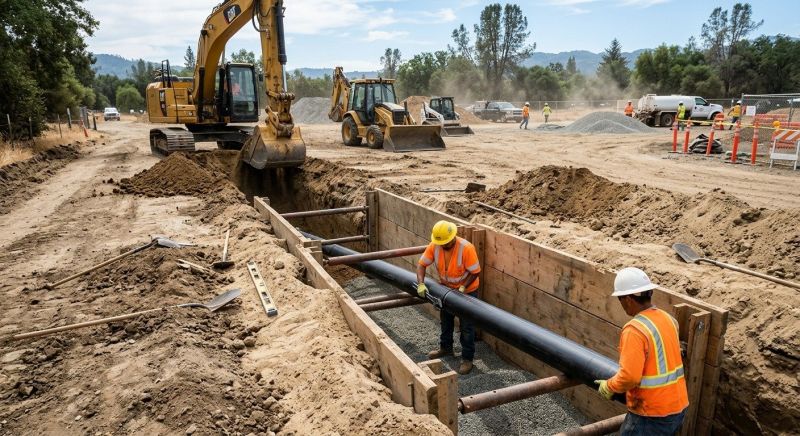
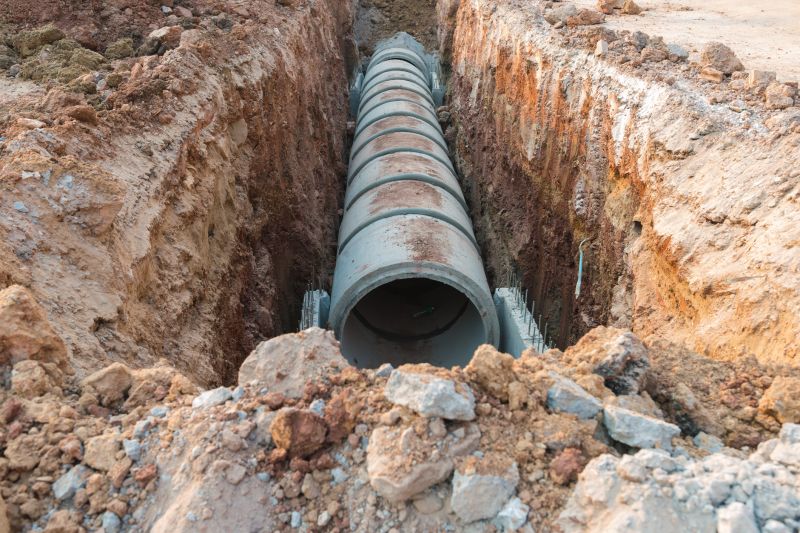
What is gas line excavation? Gas line excavation involves digging to access and repair underground gas pipelines on residential or commercial properties.
When is gas line excavation needed? It is typically required for installing new gas lines, repairing leaks, or replacing aging pipelines.
What should property owners know before excavation? It’s important to identify the location of existing gas lines and coordinate with utility companies to ensure safety.
Are permits required for gas line excavation? Yes, proper permits are usually needed to comply with local regulations and safety standards.
Request Gas Line Excavation in Salt Lake City, UT
Use the quote form on this page to share the basics of your project and request more information for the type of work you need.